
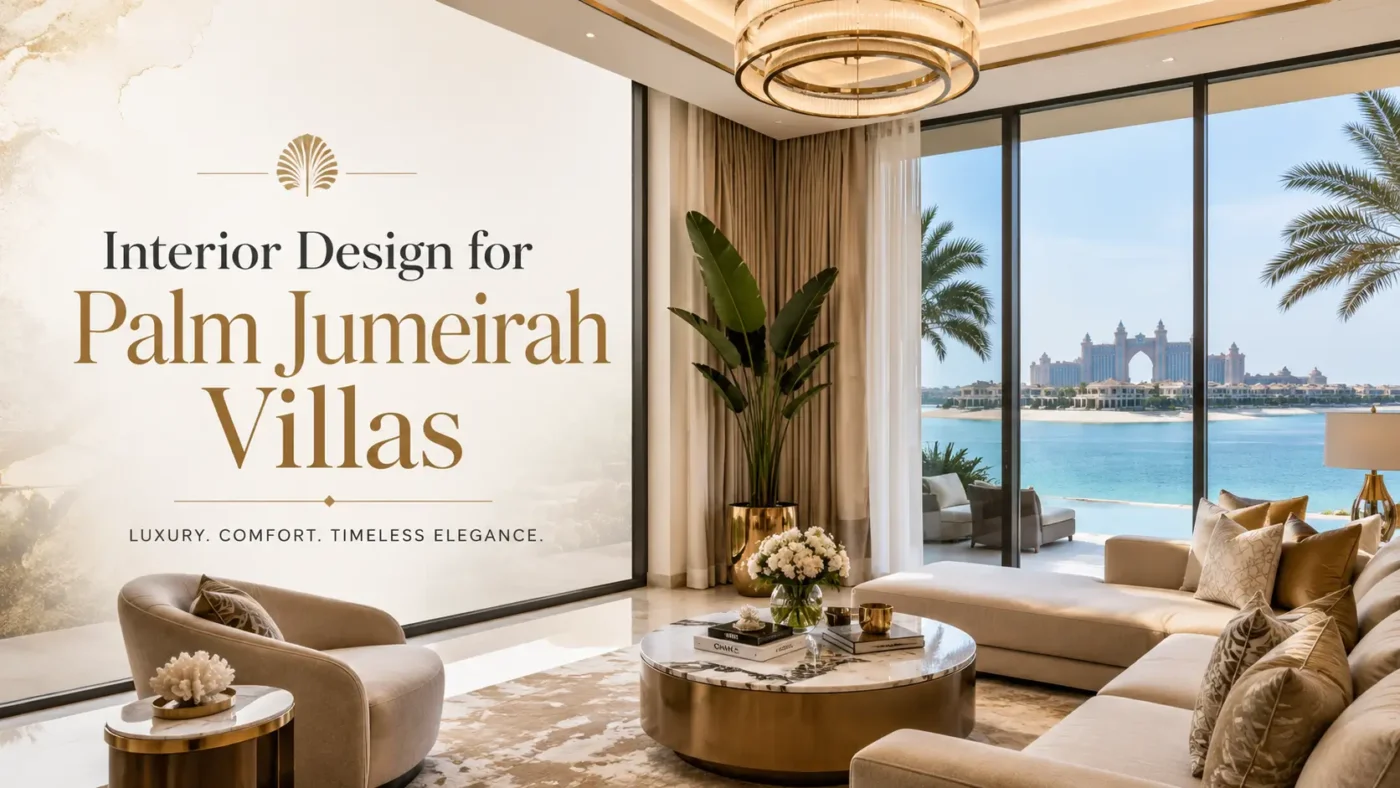
Palm Jumeirah villas are among the most distinctive residential properties in Dubai. Whether purchased as a family home, a holiday residence, or a long-term investment, these properties often come with unique design opportunities that differ from apartments and standard villa communities.
Many homeowners focus on furniture and finishes first, but successful villa interiors begin with a clear understanding of how the property will be used. Careful planning helps create a home that complements the architecture, maximises the waterfront setting, and remains practical for daily life.
Understanding the Character of the Property
Not all Palm Jumeirah villas are the same. Some retain their original layouts and architectural details, while others have undergone extensive renovations over the years. Before making any design decisions, homeowners should assess the property’s existing strengths and limitations.
A villa with large sea-facing windows may naturally support an open and light interior scheme. Another property may require adjustments to improve circulation between rooms or create better connections between indoor and outdoor spaces.
One common mistake is treating a Palm Jumeirah villa like a city apartment. Villas offer more space, different sightlines, and greater interaction with outdoor areas. Interior planning should respond to these features rather than replicate apartment-style layouts.
The property’s location within the community also matters. Villas positioned directly on the beachfront often benefit from uninterrupted views, while others may prioritise privacy from neighbouring homes. These factors influence decisions about window treatments, room arrangements, and furniture placement.
For homeowners seeking professional guidance, working with an experienced interior design company in dubai can help align design ambitions with the realities of the property’s structure and long-term use.
Creating a Layout That Supports Everyday Living
Large homes can sometimes feel disconnected if the layout is not carefully considered. While visual appeal is important, functionality should remain a priority throughout the planning process.
Many Palm Jumeirah homeowners divide spaces into formal and informal zones. Formal areas may be reserved for entertaining guests, while family spaces are designed for everyday use. This approach helps maintain both practicality and flexibility.
Kitchen design is another important consideration. Open-plan kitchens remain popular among many homeowners, but some families prefer separate preparation areas to support frequent cooking and hosting. Understanding household routines before beginning the design process can prevent costly changes later.
Storage is often overlooked during villa renovations. Despite having larger floor plans, many luxury homes lack sufficient built-in storage. Integrating storage solutions early in the design phase can help maintain a clean and organised appearance without compromising aesthetics.
Making the Most of the Waterfront Setting
One of Palm Jumeirah’s defining features is its relationship with the sea. Interior design should enhance this connection rather than compete with it.
Many successful villa interiors use materials and colour palettes that complement the surrounding environment. Natural stone, timber, textured fabrics, and neutral tones often work well because they allow outdoor views to remain the focal point.
Lighting plays a particularly important role. Palm-facing villas receive changing natural light throughout the day, creating opportunities to highlight architectural features and interior finishes. Layered lighting schemes help maintain atmosphere during the evening while supporting different activities throughout the home.
Outdoor areas should also be considered part of the overall design plan. Terraces, gardens, swimming pools, and outdoor lounges often serve as extensions of interior living spaces. Consistency between indoor and outdoor design elements can create a more cohesive experience.
Another factor frequently overlooked is durability. Waterfront properties are exposed to environmental conditions that may affect certain materials over time. Selecting finishes suitable for coastal environments can help preserve the quality and appearance of the home.
Balancing Personal Style with Long-Term Value
Many buyers purchase Palm Jumeirah villas with long-term ownership in mind, but circumstances can change. A property may eventually be rented, sold, or passed on to future family members. For this reason, interior decisions should balance personal preferences with broader market appeal.
Highly personalised features can create a striking home but may limit flexibility in the future. Choosing timeless materials and adaptable layouts often provides greater longevity while still allowing owners to express their individual style through furnishings, artwork, and accessories.
Technology integration is another area worth considering. Smart home systems have become increasingly common in Dubai’s luxury property market. Planning for lighting controls, climate management, security systems, and entertainment technology during the design phase can help avoid disruptive upgrades later.
Quality workmanship should never be underestimated. Even the most attractive design concept can fall short if execution is poor. Homeowners often spend significant time selecting finishes while paying less attention to installation standards. Consistent project management and skilled craftsmanship remain essential to achieving a refined result.
Those undertaking substantial renovations may also benefit from consulting a qualified luxury interior designer who understands the expectations associated with high-end waterfront properties and can coordinate multiple aspects of the project effectively.
Common Misconceptions About Villa Interior Design
One misconception is that larger budgets automatically produce better interiors. In reality, successful design depends more on planning, cohesion, and attention to detail than on expensive materials alone.
Another misunderstanding is that every room must make a dramatic statement. Some of the most comfortable and visually successful homes use restraint, allowing key spaces to stand out while maintaining consistency throughout the property.
Homeowners also sometimes prioritise trends over practicality. Design fashions change regularly, but Palm Jumeirah villas often represent long-term investments. Choices that support comfort, durability, and adaptability usually provide better results than short-lived trends.
Finally, many people underestimate the amount of coordination required during a villa renovation. Interior design, lighting, landscaping, technology systems, and construction work are often interconnected. Early planning can help avoid delays and reduce the likelihood of costly revisions.
Conclusion
Designing a Palm Jumeirah villa involves more than selecting furniture and finishes. The most successful projects begin with a clear understanding of the property’s architecture, location, and intended use. By focusing on functionality, making the most of the waterfront setting, and balancing personal style with long-term flexibility, homeowners can create interiors that feel both practical and enduring. Thoughtful planning at the outset often leads to better decisions throughout the project and a more satisfying result once the home is complete.
Related:
Grand Souk Bur Dubai | Guide to Most Iconic Marketplace
Ajman Fish Market UAE – Guide on Most Authentic Seafood
Zabeel Palace Dubai | History, Architecture, and Royal Legacy





Leave a Comment