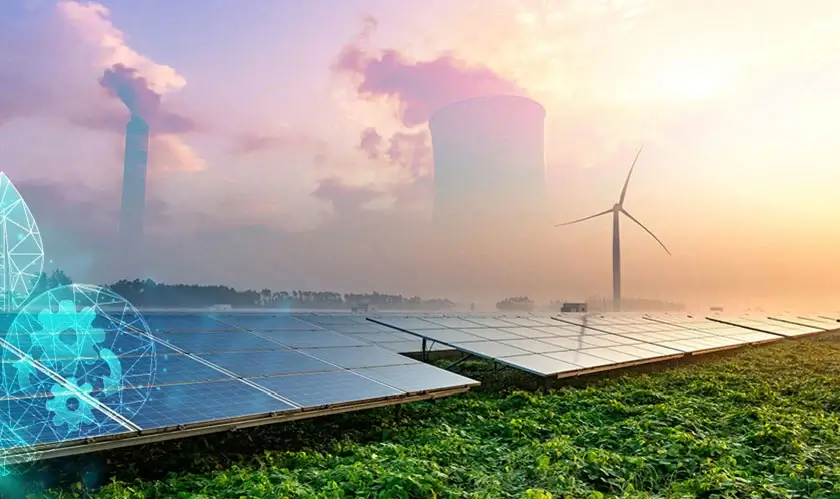
The global transition to sustainable energy is fundamentally changing the architecture of the power plant. For nearly a century, electrical plant design was centered around massive, centralized synchronous generators powered by fossil fuels. Today, we are moving toward a decentralized model dominated by intermittent, inverter-based resources like solar PV and wind.
This shift presents a profound engineering challenge. Integrating renewables is not as simple as “plugging in” a solar farm. It requires a complete rethink of electrical plant design engineering to manage the inherent variability and lack of inertia associated with green energy. A successful renewable-integrated plant must be smart, flexible, and exceptionally stable.
The Intermittency Challenge: Managing the “Duck Curve”
The primary hurdle in renewable integration is intermittency. A cloud passing over a 500MW solar park can cause a massive drop in power output within seconds. A traditional grid cannot handle these rapid swings without collapsing.
Modern plant design overcomes this through the integration of Battery Energy Storage Systems (BESS). The BESS acts as a “buffer,” soaking up excess energy during peak sun and releasing it when output drops. Designing the electrical interface for these batteries—ensuring they can charge and discharge with millisecond precision—is now a core competency for renewable plant engineers.
Power Quality in an Inverter-Dominated World
Traditional generators produce a pure, clean sine wave. Solar panels and batteries produce DC power, which must be converted to AC using power electronics (inverters). This conversion process inherently creates “electrical noise” known as harmonics.
If these harmonics are not managed, they can cause overheating in transformers, interfere with communication systems, and lead to “nuisance tripping” of breakers. Conducting detailed power quality studies during the design phase is non-negotiable for renewable projects. These studies allow engineers to design active and passive filters that “clean” the power before it leaves the plant, ensuring compliance with utility standards.
The Need for “Synthetic Inertia”
In a traditional grid, the massive rotating turbines of coal or gas plants provide “inertia”—a physical resistance to changes in frequency. If the grid frequency drops, these turbines naturally release stored kinetic energy to slow the fall. Solar and wind lack this physical inertia.
Engineers are now designing “Grid-Forming Inverters” that use advanced control algorithms to provide “Synthetic Inertia.” This allows the renewable plant to actively support the grid’s frequency rather than just being a passive follower. This level of sophisticated control must be baked into the plant’s electrical design from day one.
UAE’s Leadership in Renewable Infrastructure
In the UAE, the “Energy Strategy 2050” has led to the development of some of the world’s largest solar parks. Designing these facilities requires a deep understanding of how to manage massive power flows in extreme desert heat. Equipment must be derated for high ambient temperatures, and cooling systems for inverters and transformers are mission-critical components of the plant design.
FAQ’s
1. What is the biggest difference between a traditional and a renewable power plant design?
Traditional plants focus on fuel handling and synchronous machine stability. Renewable plants focus on power electronics (inverters), energy storage (BESS), and managing high levels of harmonic distortion.
2. Why is energy storage essential for renewable integration?
Because the sun and wind are intermittent. Storage allows the plant to provide a “firm” and predictable power output to the grid, regardless of real-time weather conditions.
3. What role does “Power Quality” play in solar farms?
Solar inverters generate harmonics. Without proper design and filtering, these harmonics can damage grid infrastructure and cause electronic equipment in nearby buildings to malfunction.
4. How does extreme heat affect renewable plant design?
Solar panels and inverters lose efficiency as they get hotter. Engineers must design for higher thermal loads, specify heat-resistant materials, and ensure adequate ventilation or active cooling for sensitive electronics.
5. What are “Grid-Forming Inverters”?
These are advanced inverters that can set the voltage and frequency of the network, allowing a renewable plant to operate in “island mode” (independently) or provide stability to a weak grid.
Conclusion
Designing electrical plants for renewable energy is a multidisciplinary feat that sits at the cutting edge of modern engineering. By combining advanced plant design with rigorous power quality analysis, engineers are building the foundation for a carbon-neutral world. These plants are no longer just generators; they are intelligent, responsive energy hubs that provide the clean and stable power that modern civilization demands.







Leave a Comment